From the Artist
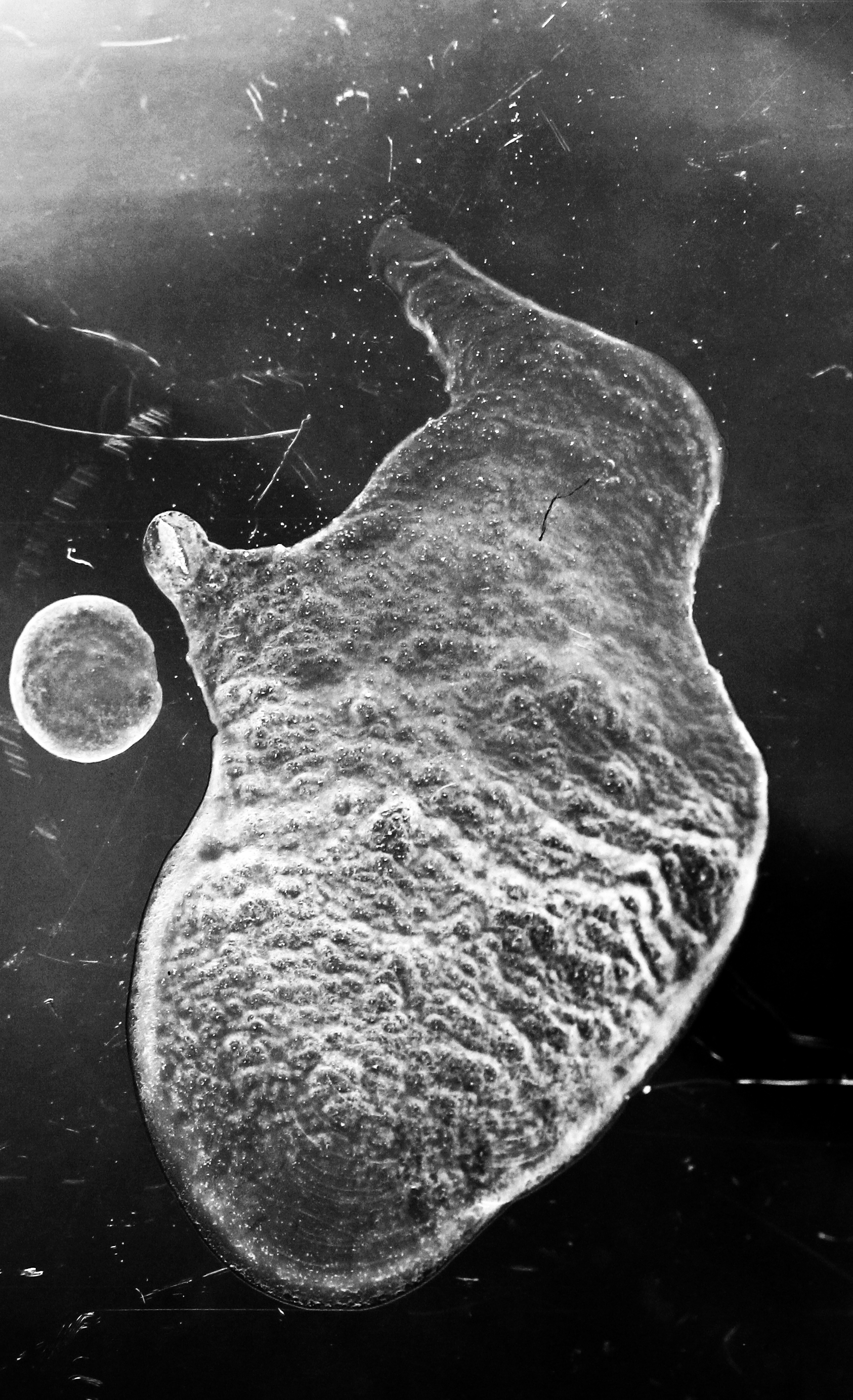
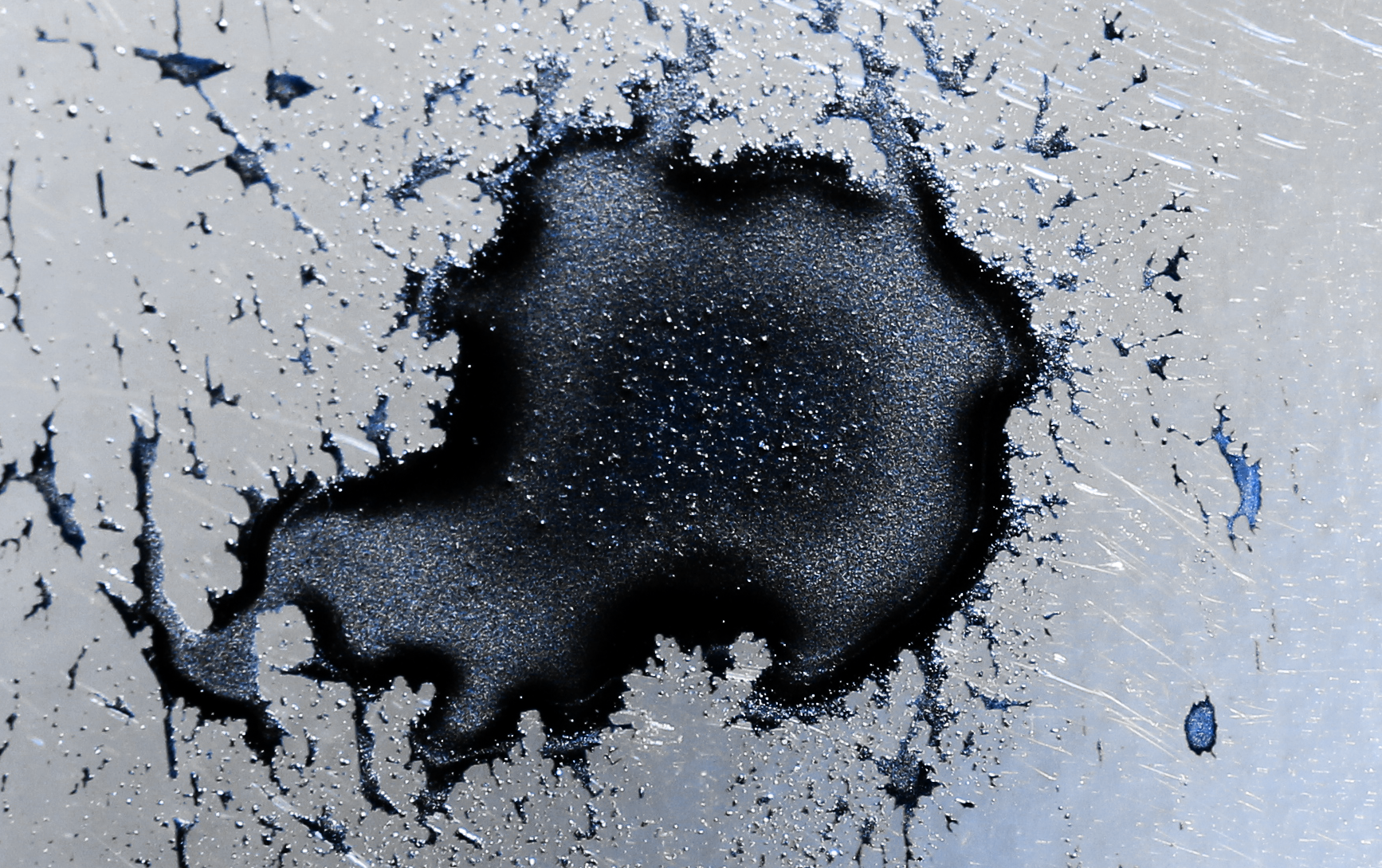
“Intricate patterns are left behind when a
drop filled with particles dries on a surface.
This drop was simply water mixed with
particles and surfactant, but due to the
complexity of the drying process, it left
behind a rich footprint. At first, the drop dries
slowly, forming thick particle ridges, followed
by accelerated drying that forms the shape
of delicate branches. Light illuminates the
detailed patterns from behind and highlights
the complex dynamics of a drying liquid
front.”
Supplies and Tools
A transparent surface – glass slides are great, if you have them, but plastic container lids work, too
A variety of liquids, such as coffee, tea, milk, liquors, inks, soaps, etc.
A way to magnify or image your results; e.g., a camera, magnifying glass, and/or microscope
(optional) Photo editing software
(optional) Tripod
Instructions
Gather your chosen fluids and your transparent surface. I used the plastic lid off of a snack container and labeled each of my fluids with a number so that I would know what each one was. I dripped or spread a small sample of each of my test fluids.
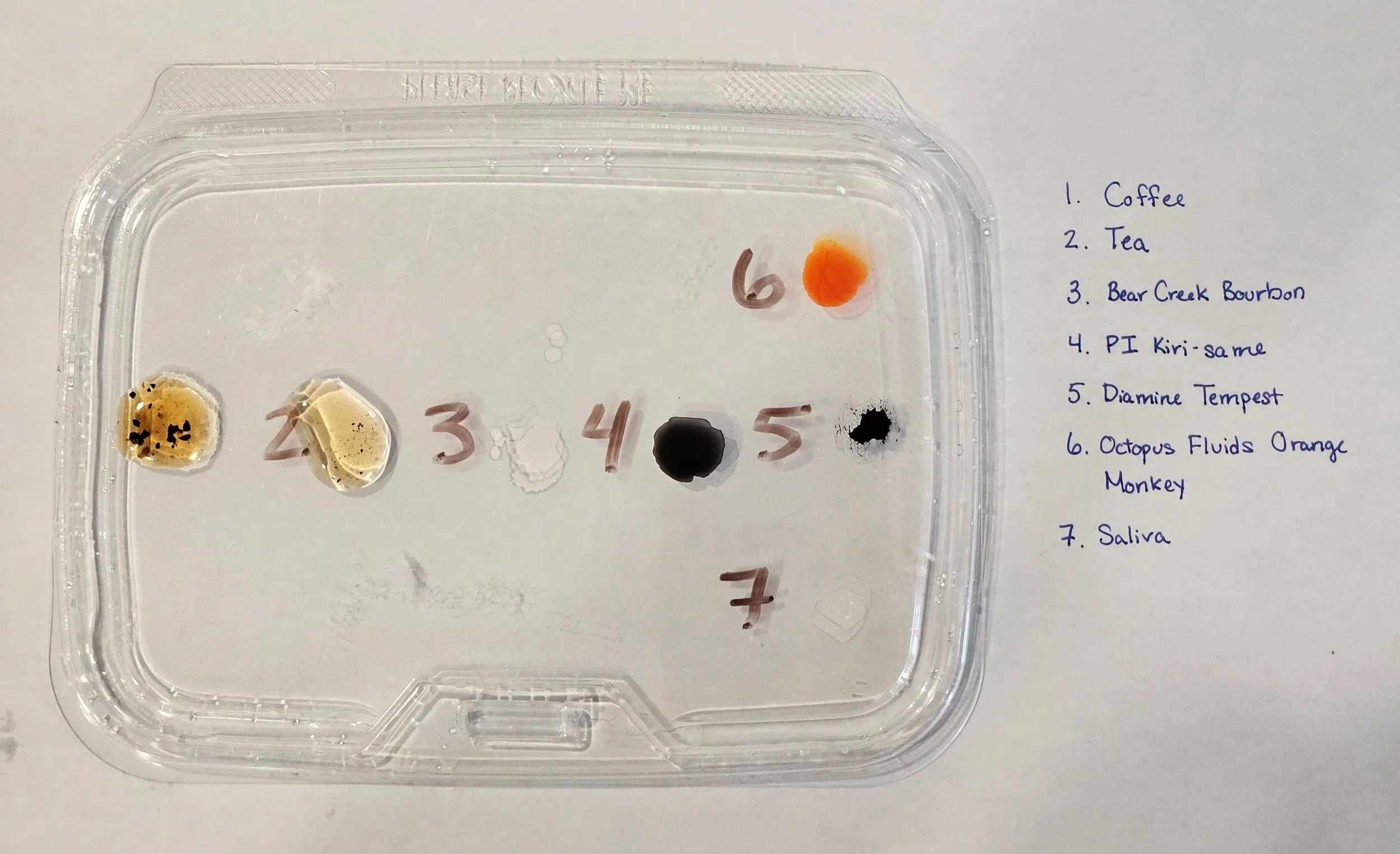
A plastic lid with numbers 1 - 7 written in Sharpie beside an array of drying liquids.
Let all of the samples dry out completely. In my case, this took several hours of drying on a kitchen countertop.
Once dry, place the transparent surface over a light source. In my case, I taped my plastic lid to a sunny window, which worked wonderfully.
Use a camera or other instrument to closely examine your residues. A microscope or magnifying glass are ideal here, but I got good results using a DSLR camera fitted with a 60mm macro lens. Some cellphone cameras will have macro modes or can be outfitted with a macro lens that slides over the camera.
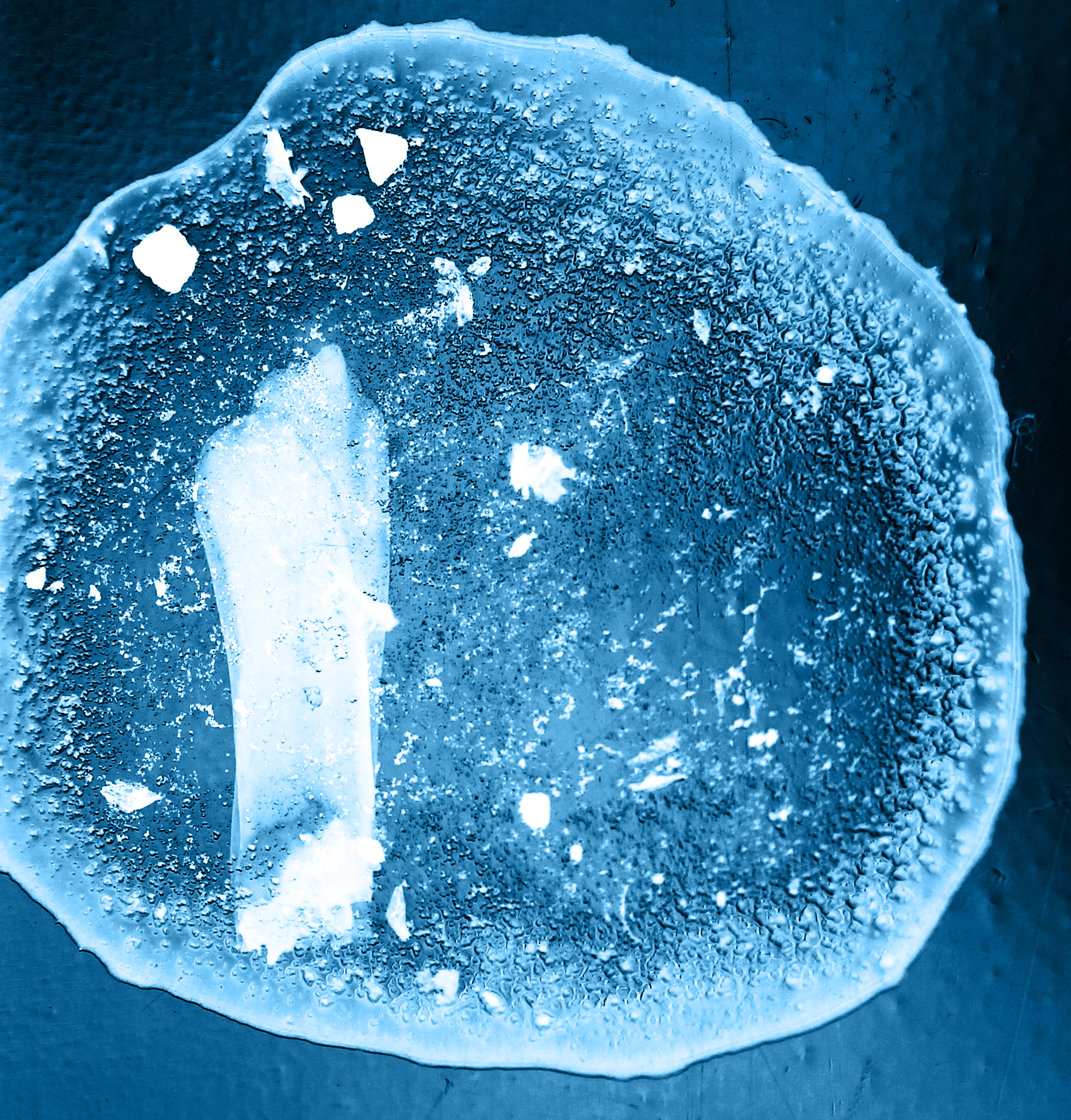
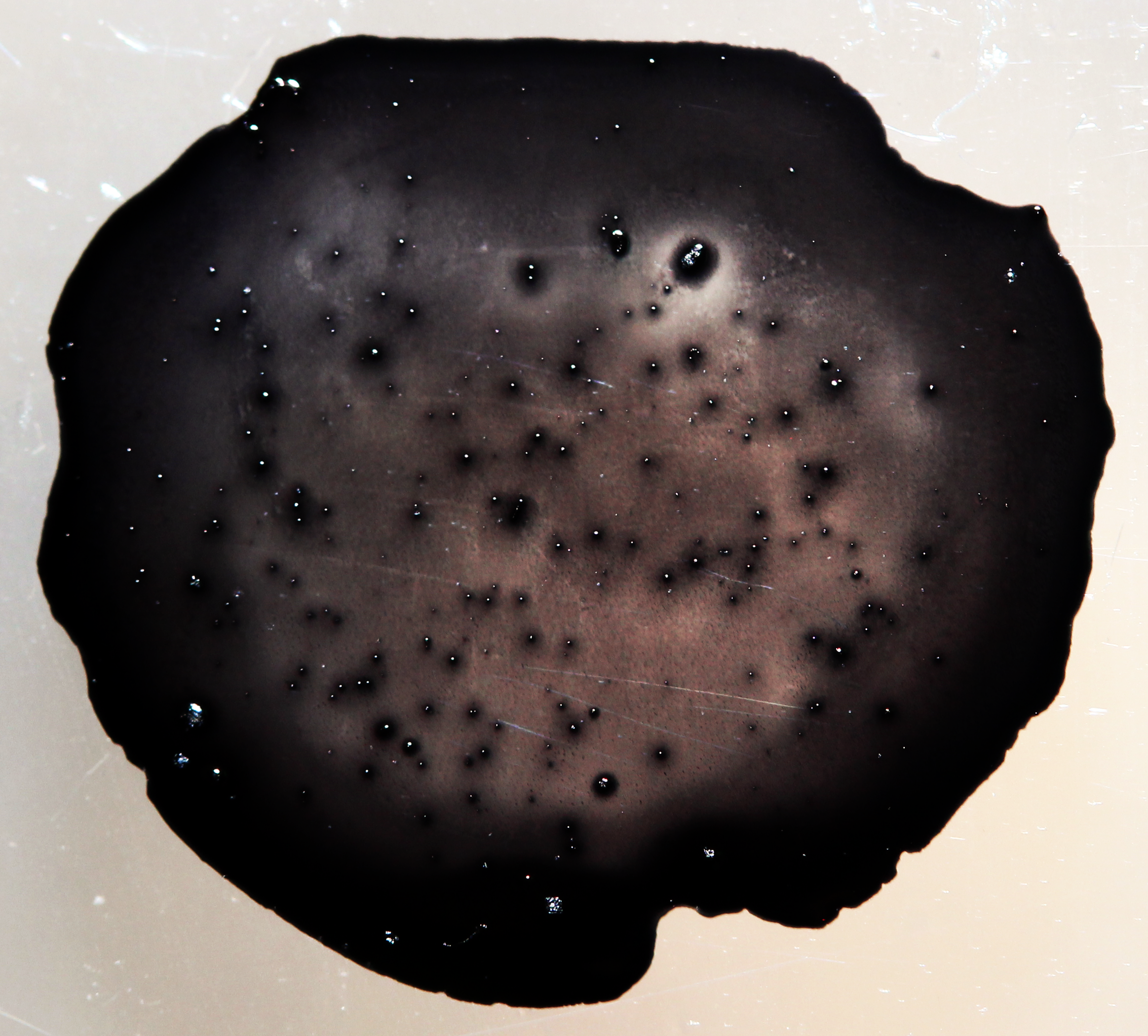
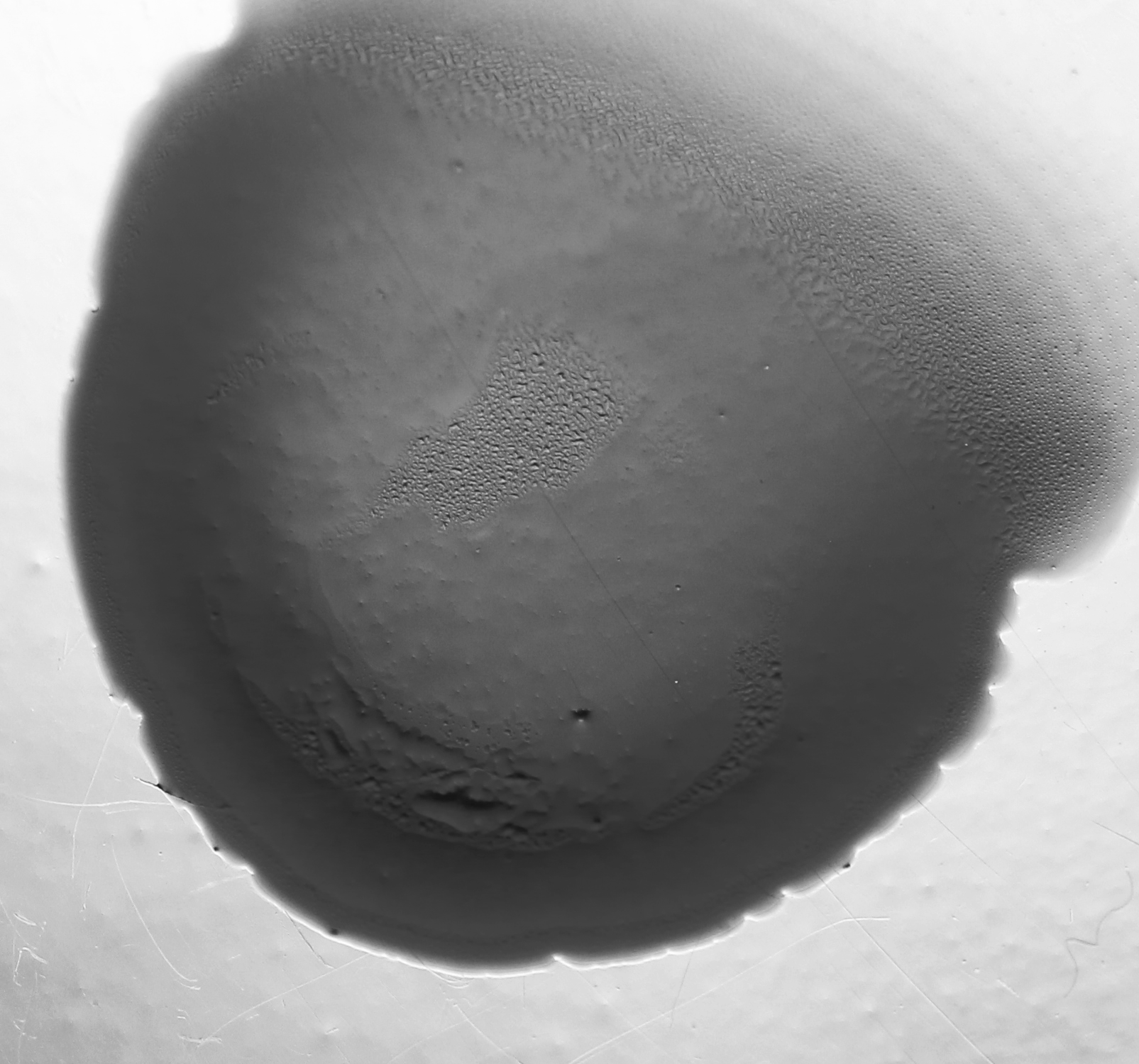
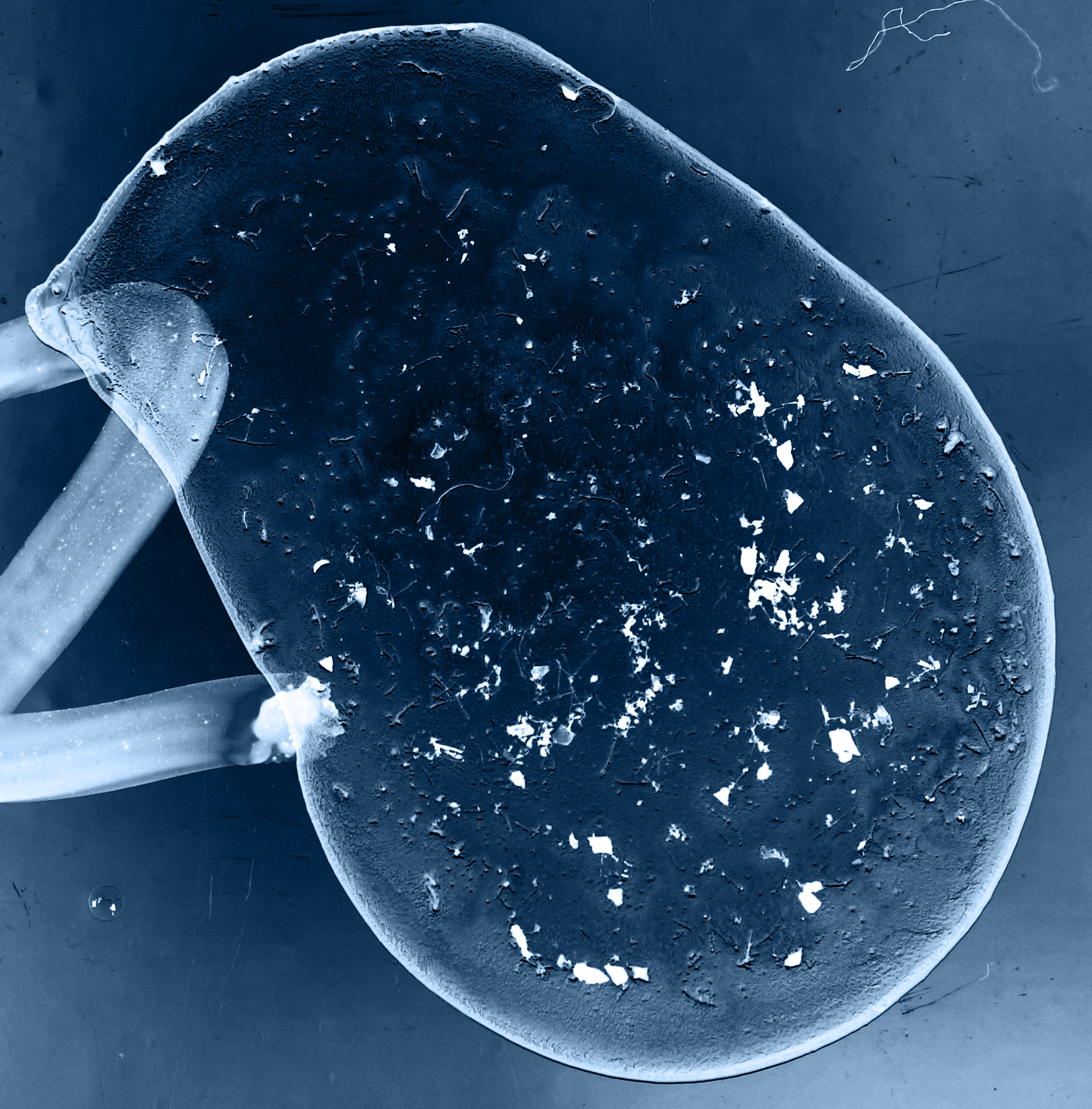
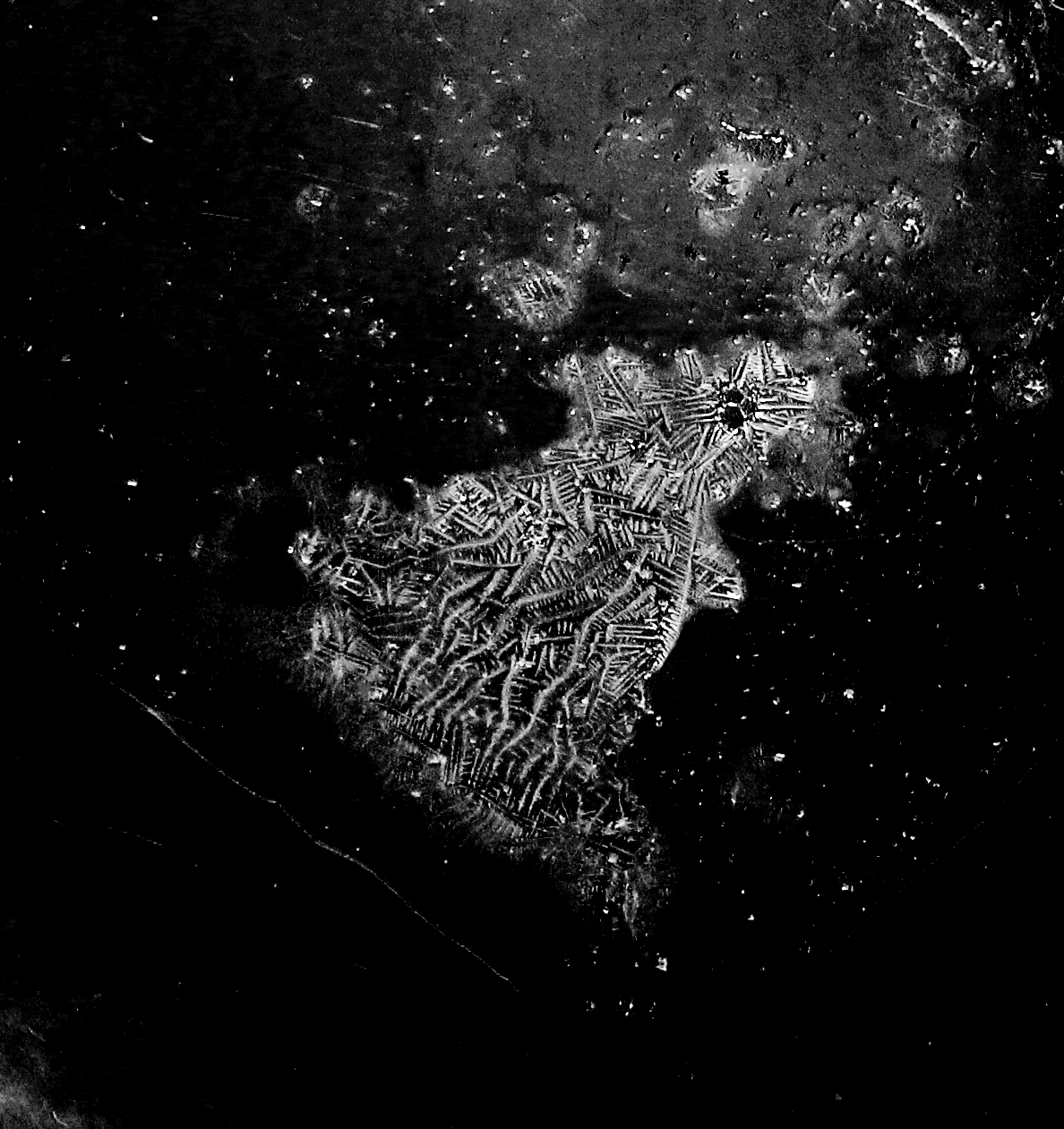
(optionally) Take images of your residues and enhance them with photo editing. Playing with contrast and color can produce all kinds of fascinating and artistic effects. Below are some of my own results.