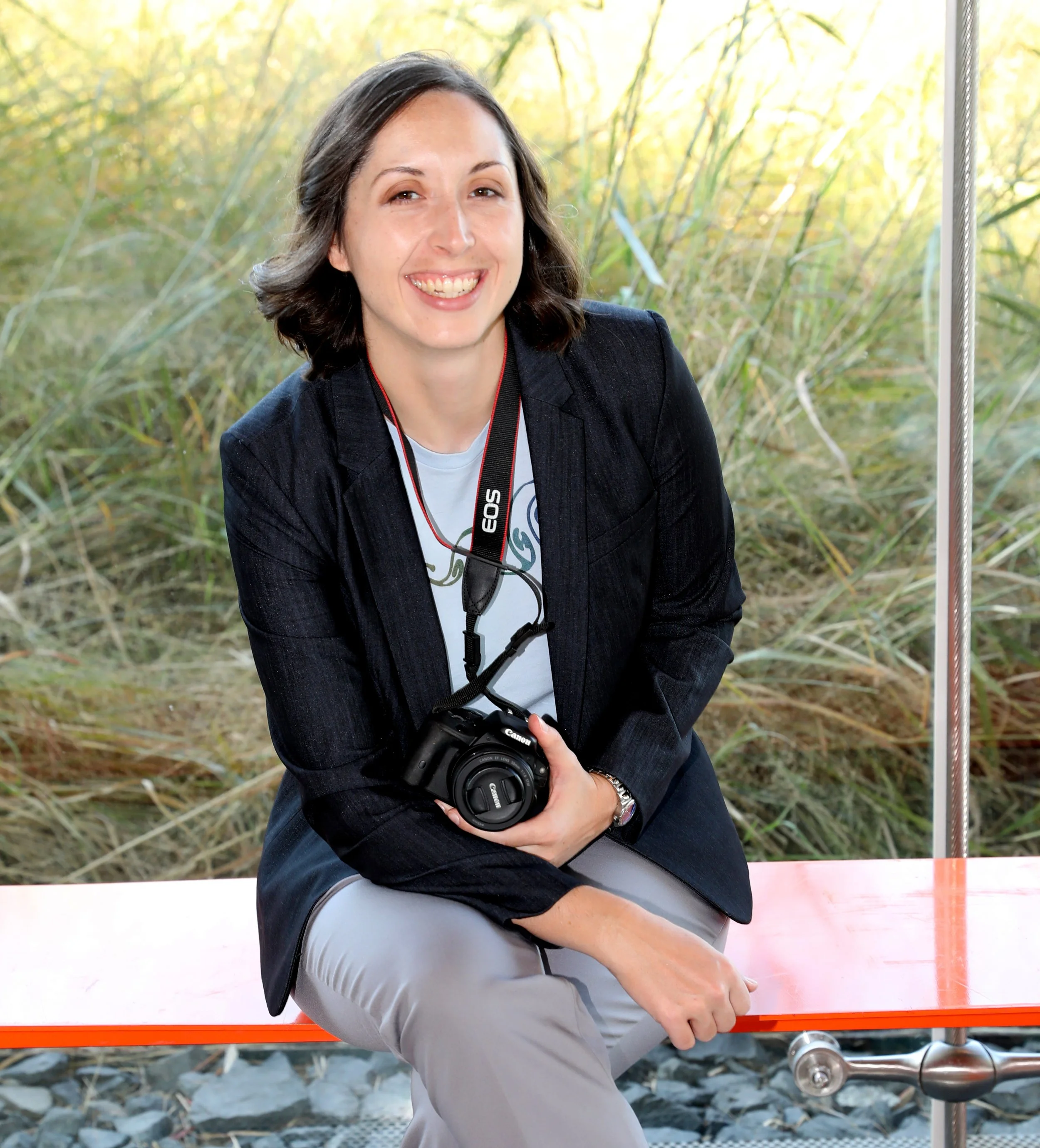
From the Lead Artist
Much of the cloud photography featured in Spiraling Upwards is the work of students from Professor Jean Hertzberg’s Flow Visualization class at the University of Colorado at Boulder. The class has run since the early 2000s, always featuring several cloud-based assignments. Dr. Hertzberg tells her students:
“Photograph a cloud. In fact, photograph clouds as often as possible, and start as soon as possible. You will soon discover that it is not easy to do but that it is a very pleasant diversion from everything else that you do. […] Clouds require that you think outside the box.” - Jean Hertzberg and Alex Sweetman
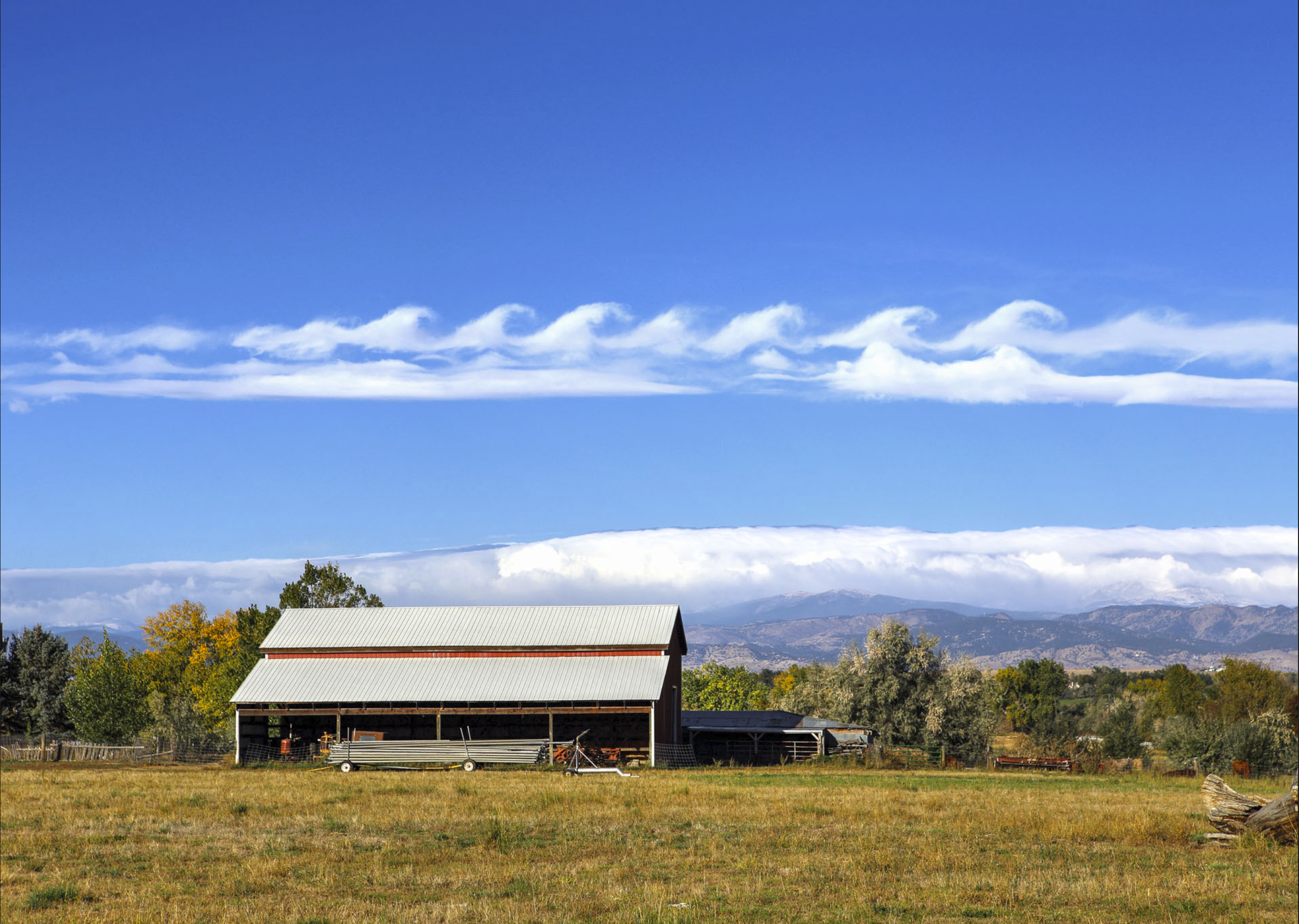
Fluctus and Foehn clouds, Erie, Colorado - Joseph Straccia
A Word on Cloud Physics
Clouds are made up of tiny droplets of water or ice crystals. In general, both are heavier than air and prone to falling. So why are there clouds at all? Because upward-moving air keeps the water aloft! This is known as atmospheric lift. There are three major sources of atmospheric lift:
Buoyancy – The old adage “hot air rises” hints at this mechanism. Hot air is less dense than the cooler air around it, so it rises. Note that the key here is the air’s density, not its temperature.
Terrain – Mountains and other terrain can push air higher and trigger many interesting cloud types.
Weather Fronts – When weather systems collide, they can lift giant masses of air over hundreds of square miles. Many cloud types are born this way.
Identifying clouds and the specific physics behind them is a massive topic. For an overview, check out Dr. Hertzberg’s Flow Vis Guidebook or The Cloudspotter’s Guide by Gavin Pretor-Pinney.
Supplies and Tools
A camera – both dedicated cameras and cell phones work
(optional) Photo editing software
(optional) Tripod – useful for night skies as well as time lapses
(optional) Color or polarizing filters
Some Tips
Phone cameras work fine. You may not get the most precise control with them, but they’re always with you.
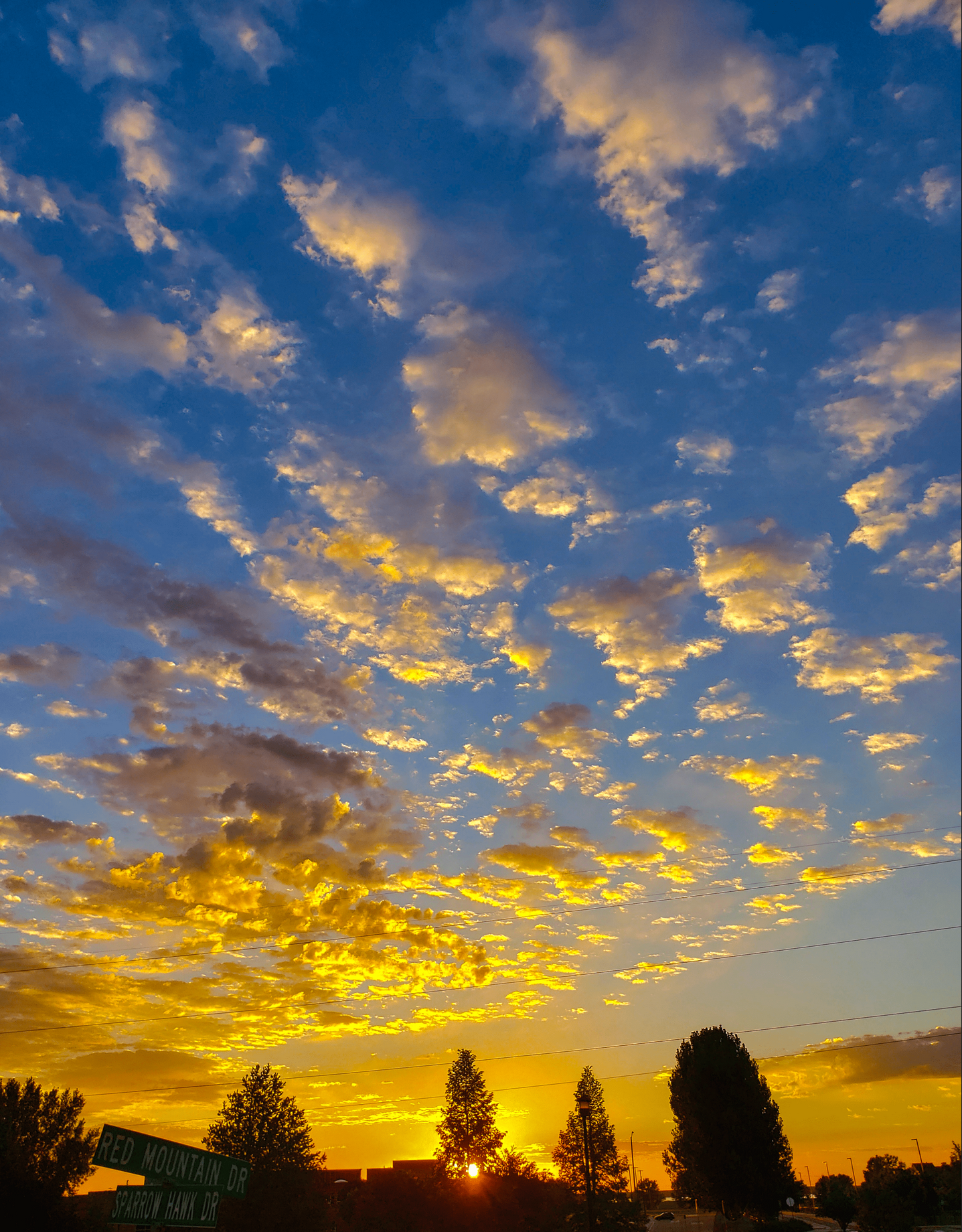
Altocumulus clouds, Longmont, Colorado – Heider Iacometti
Focusing on clouds is tough for cameras. Try using a manual setting for infinite focus distance or focus locking on a distant object to help.
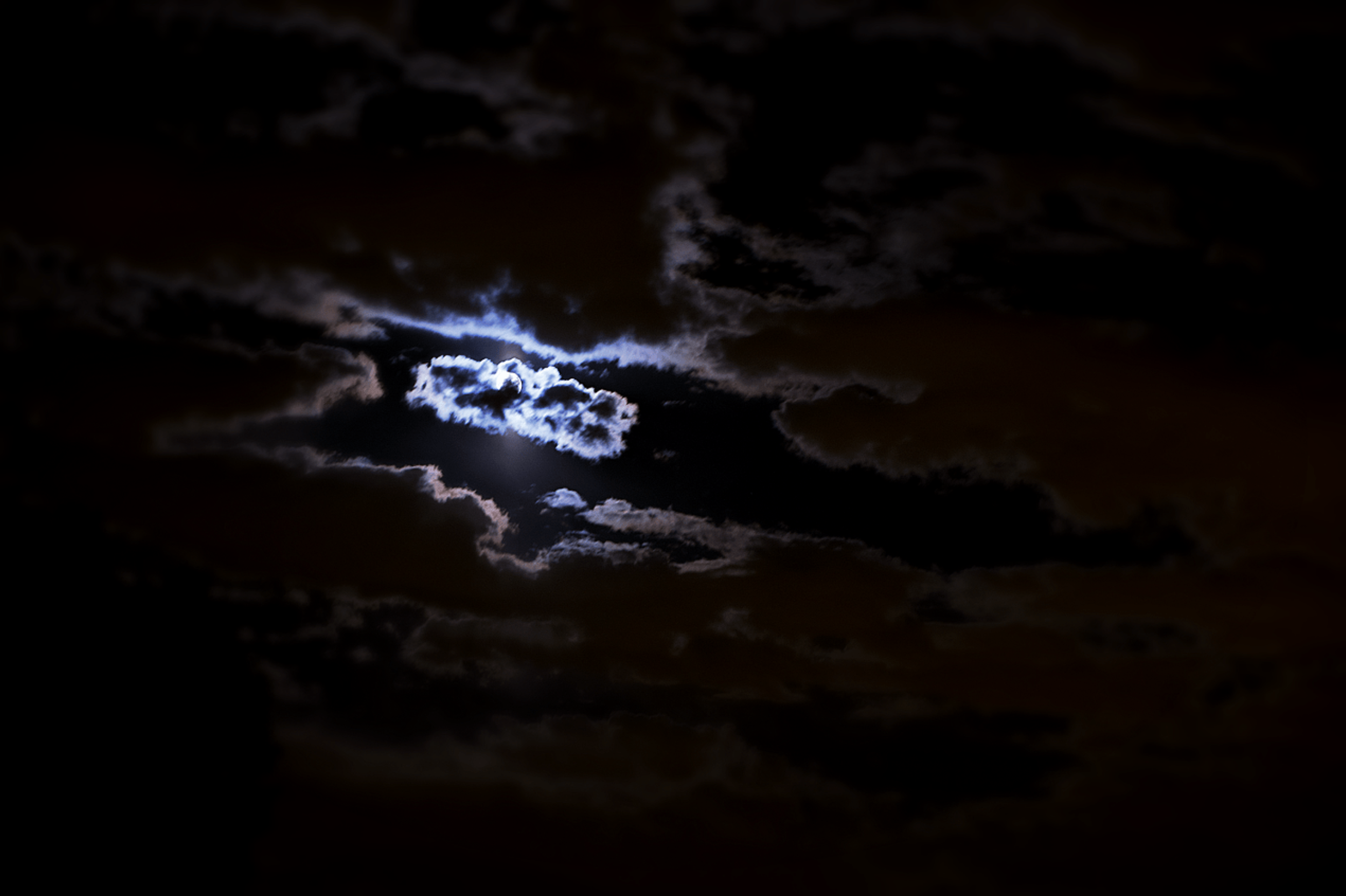
Nighttime stratocumulus clouds, Boulder, Colorado – Wenjin Li
Sunrise and sunset can be extraordinary, but clouds are wonderful at other times, too. Don’t limit yourself to dawn and dusk. Daytime and nighttime produce lovely cloud photography as well, though a tripod will be needed at night.
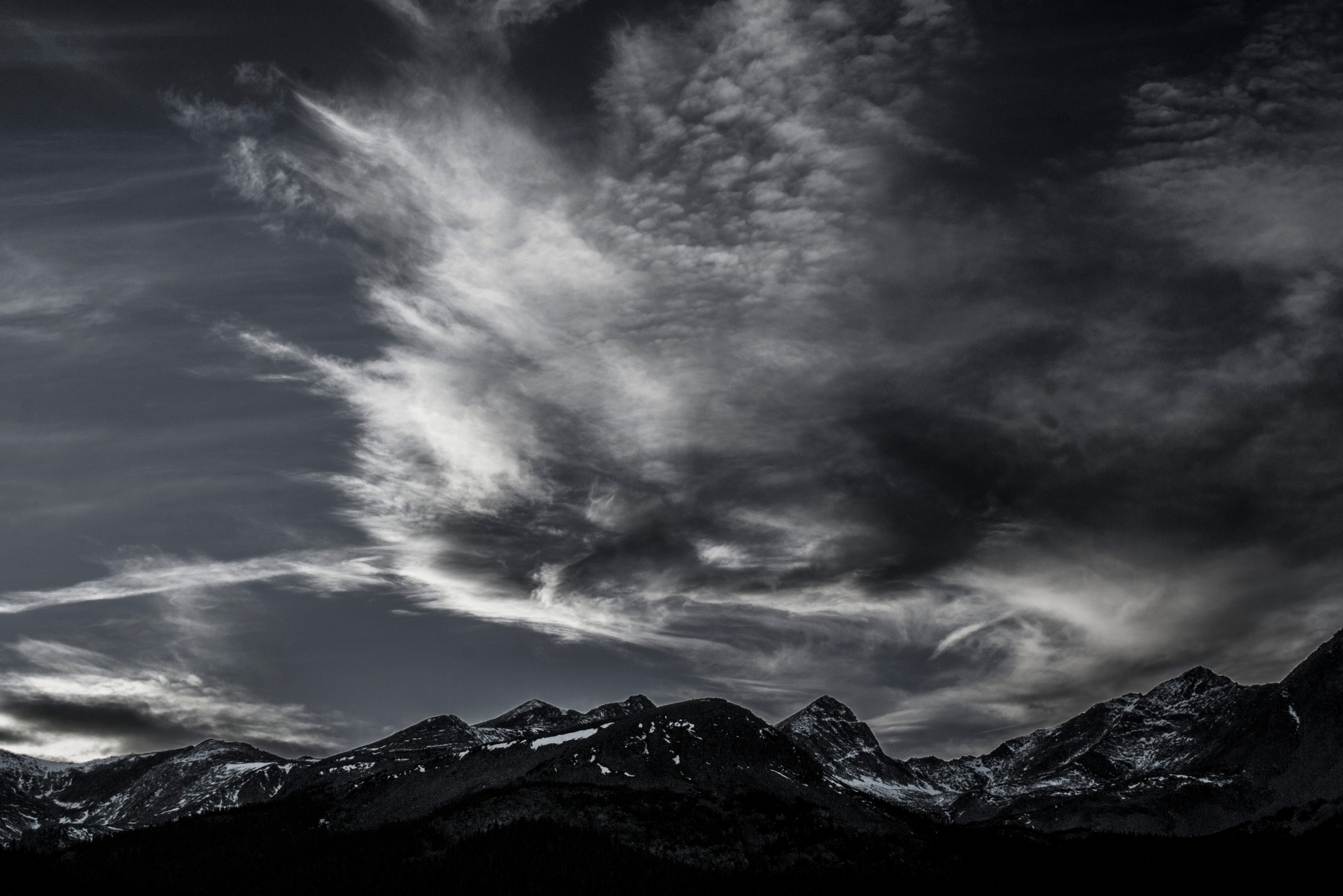
Altostratus clouds near sunset, Indian Peaks Wilderness, Colorado – Marco Gardi
Experiment with lenses. Both wide angle lenses and telephoto lenses make for excellent cloud photos. Wide angles can frame expansive skies with the surrounding landscape, and telephotos allow you to focus on specific cloud shapes. Keep in mind, though, that telephoto lenses may need a tripod to hold the camera steady for a longer shutter length.
“WE BELIEVE that clouds are unjustly maligned and that life would be immeasurably poorer without them. We think that clouds are Nature’s poetry, and the most egalitarian of her displays, since everyone can have a fantastic view of them. We pledge to fight ‘blue-sky thinking’ wherever we find it. Life would be dull if we had to look up at cloudless monotony day after day. We seek to remind people that clouds are expressions of the atmosphere’s moods, and can be read like those of a person’s countenance. We believe that clouds are for dreamers and their contemplation benefits the soul. Indeed, all who consider the shapes they see in them will save money on psychoanalysis bills.
“And so we say to all who’ll listen: Look up, marvel at the ephemeral beauty, and always remember to live life with your head in the clouds!” - Gavin Pretor-Pinny, Manifesto of the Cloud Appreciation Society
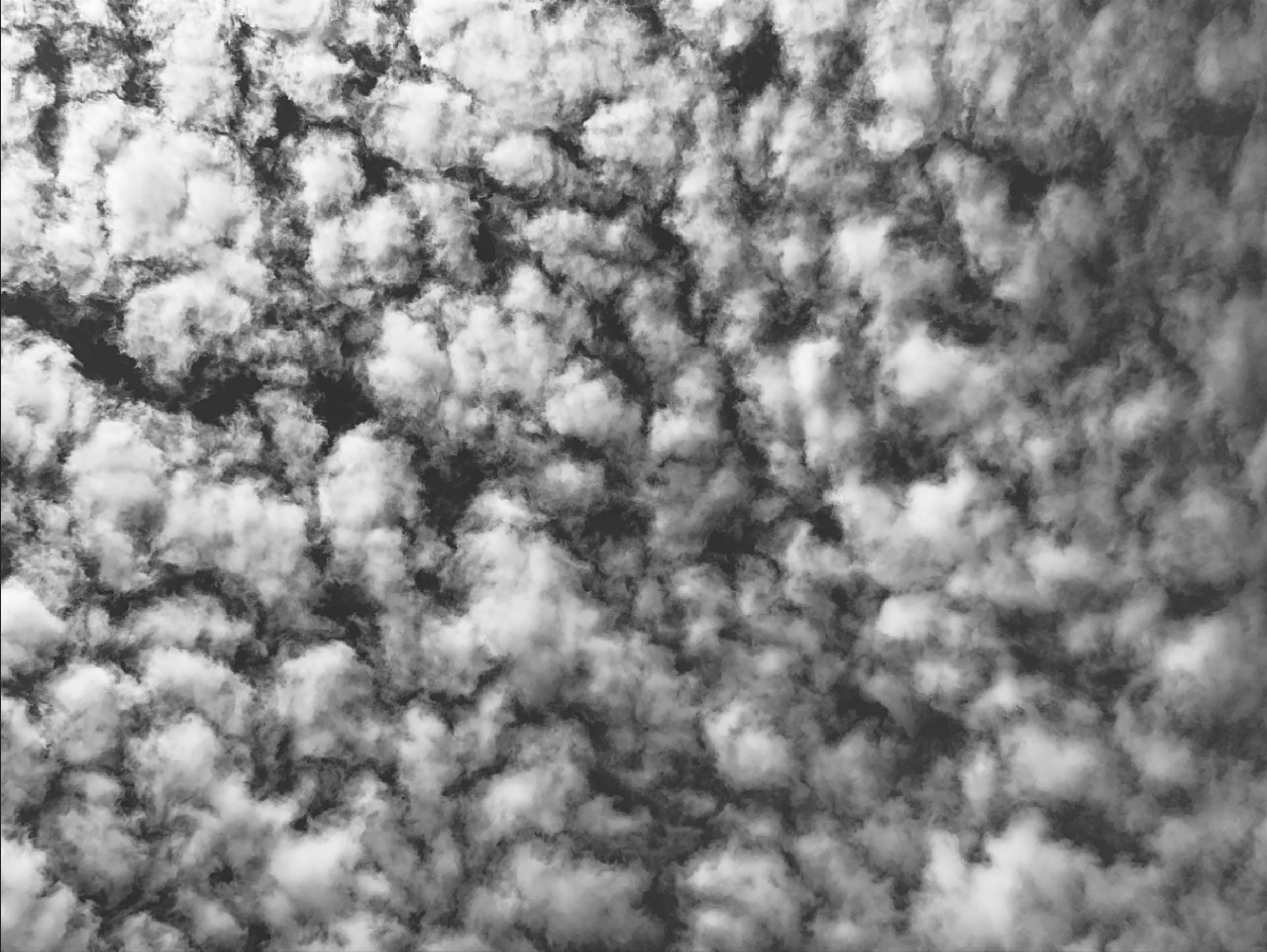
Altocumulus clouds in black and white, San Francisco, California – Zackary Herzer
Filters can create neat effects. Ansel Adams got black skies in his iconic landscape photography by using a red or orange filter alongside black-and-white film. Polarizing filters can also enhance colors and cut glare.
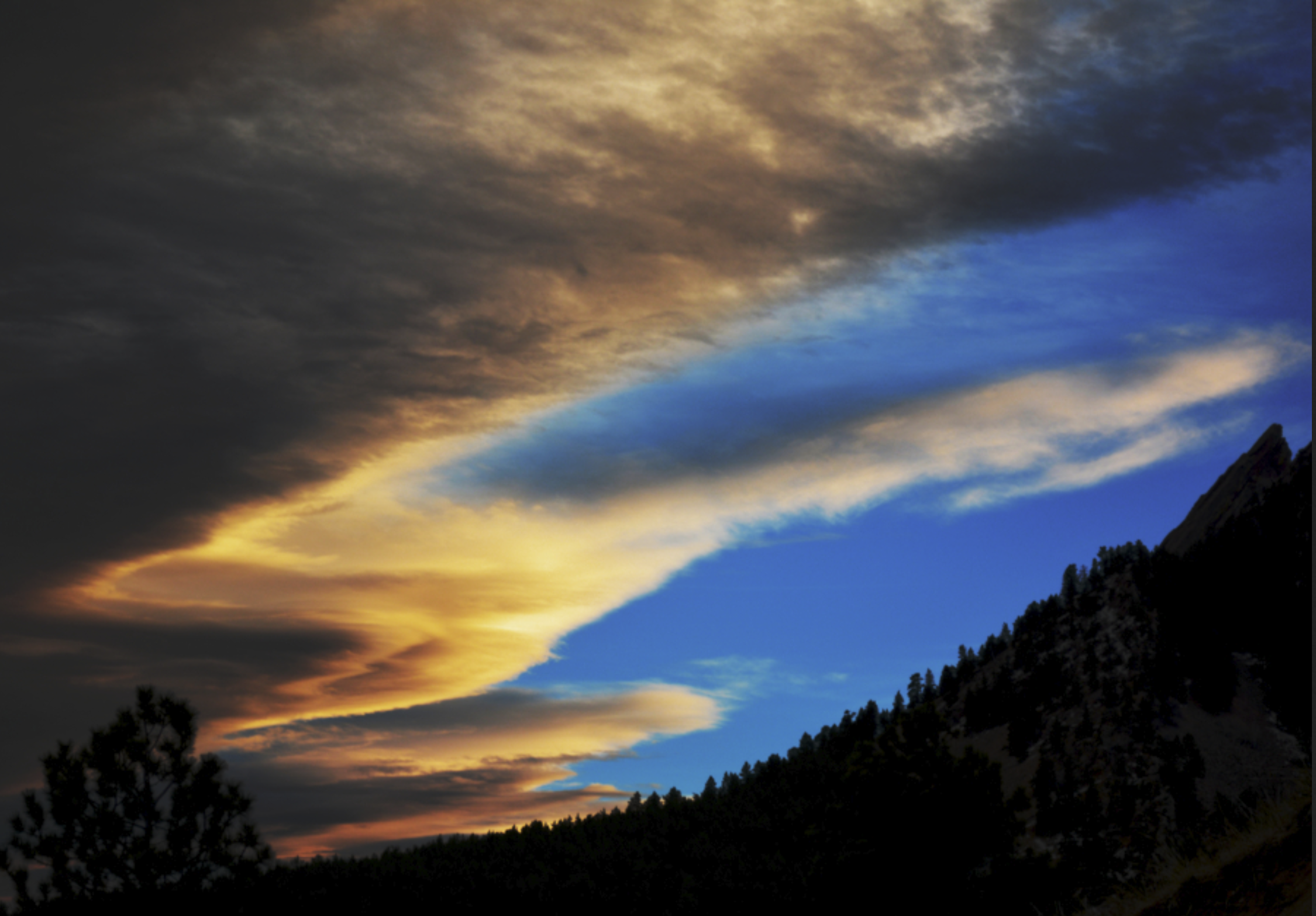
Altostratus lecticularis cloud near sunset, Boulder, Colorado – Taylor Powers
Consider using time lapse video. Clouds are rarely still and unchanging, but their motion is not always apparent to the naked eye. Take a new photo every few seconds to make a time lapse video that highlights a cloud’s subtle changes. Cell phone cameras will have settings to do this automatically, though a tripod will improve your results.
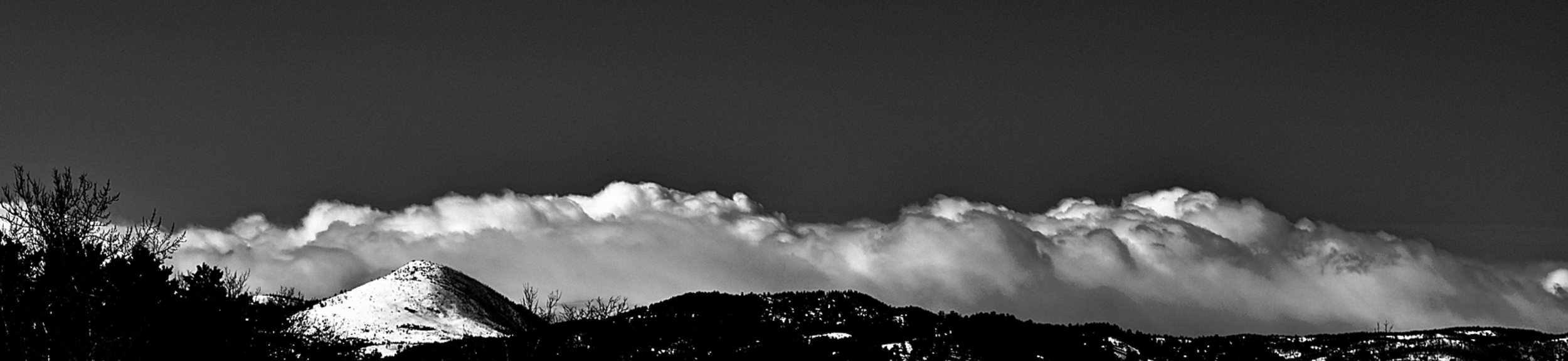
Foehn cloud wall west of Boulder, Colorado – Colin Stewart
Try shooting clouds from airplanes. Make sure your window is clean and sit in front of the wing, if possible. Results are best on the side of the plane facing the sun.
Resources and Inspiration
Flow Vis Guidebook - Jean Hertzberg
The Cloudspotter’s Guide by Gavin Pretor-Pinney
Special thanks to Jean Hertzberg for sharing class materials used to develop this guide.